Mary Berry Shortbread Cookie Recipe: Easy British Classic That Melts in Your Mouth
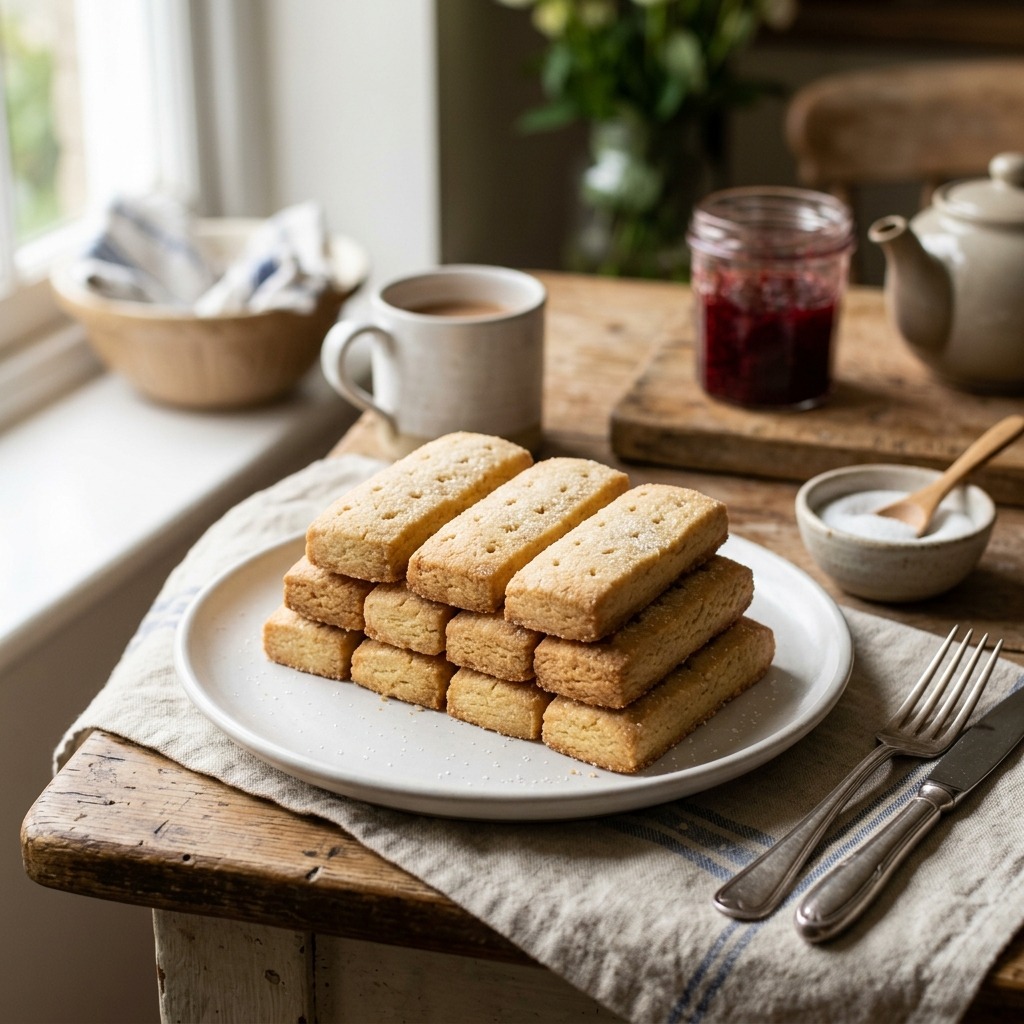
Mary Berry's shortbread cookie recipe combines butter, caster sugar, and plain flour into a crumbly, melt-in-your-mouth biscuit with a pale golden finish. Made with just 3–4 ingredients, it reflects classic British baking at its simplest. The secret is high-quality butter, a light hand with the dough, and a low, slow bake at 160°C.
Few biscuits carry the weight of British baking tradition quite like shortbread. Crisp at the edges, tender in the middle, and buttery all the way through a well-made shortbread is the gold standard of the biscuit tin. Mary Berry's version, refined over decades of professional baking and seven seasons on the Great British Bake Off (2010–2016), has become the go-to recipe for home bakers across the UK and beyond.
Recipe at a Glance
| Detail | Info |
|---|---|
| Prep Time | 20 minutes |
| Bake Time | 15–30 minutes |
| Total Time | ~40–50 minutes |
| Servings | 20+ biscuits |
| Difficulty | Easy |
| Calories | ~82 per biscuit |
| Storage | Up to 5 days (room temp) / 3 months (frozen) |
What Makes Mary Berry's Shortbread Recipe Stand Out?
Mary Berry (born 24 March 1935) is one of Britain's most trusted food writers and bakers. Her shortbread recipe is not just a recipe it's a masterclass in restraint. Where other recipes add baking powder, vanilla, or eggs, Mary Berry keeps the ingredient list lean. The result is a pure, buttery flavour with a crumbly texture that crumbles at the bite, not before.
Her more elevated version (featured via Lakeland) adds semolina to the mix, which contributes a slightly grittier, more traditional texture. Some variations use cornflour (cornstarch) in place of part of the plain flour this interrupts the gluten network, reducing elasticity and giving the finished biscuit its signature melt-in-the-mouth quality.
What Is the Difference Between Mary Berry and Traditional Shortbread?
Traditional Scottish shortbread uses only sugar, butter, and flour, no leavening agents, no eggs. Mary Berry's recipes follow this principle but often enhance texture with cornflour or semolina. Other modern recipes sometimes add baking powder, which creates a crisper biscuit rather than a crumbly one. Scottish shortbread also tends to be thicker than its modern counterparts.
Mary Berry Shortbread: Full Ingredients List
Classic 3-Ingredient Version (Scottish-Style)
- 175g (1¼ cups) plain/all-purpose flour
- 100g (½ cup) butter, softened (unsalted or salted both work)
- 75g (⅓ cup) caster sugar
- Demerara sugar, for sprinkling
Enhanced Version (Mary Berry's Shortbread Stars)
- 225g plain flour
- 225g butter (room temperature)
- 100g caster sugar
- 100g fine semolina
- 2 tbsp Demerara sugar
Equipment You'll Need
- Digital kitchen scales
- Large mixing bowl
- Rolling pin
- Cookie cutters (fluted or star-shaped work well)
- 2 baking trays, lightly greased or lined with parchment
- Fork (for docking)
- Wire rack for cooling
Step-by-Step Instructions
- Preheat the oven to 160°C / 140°C Fan / Gas 3.
- Combine the ingredients. Add flour and butter to a large bowl. Rub together with your fingertips until the mixture resembles fine breadcrumbs. Stir in the caster sugar.
- Form the dough. Gently knead until the mixture comes together into a smooth ball. Stop as soon as it holds, overworking develops gluten, which makes the biscuit tough.
- Roll out. On a lightly floured surface, roll the dough to approximately 5–7mm (¼ inch) thickness.
- Cut and dock. Use a fluted cutter to cut circles or your preferred shape. Place on prepared trays. Prick each biscuit with a fork (this is called docking; it prevents the biscuit from puffing up during baking).
- Sprinkle it with Demerara sugar.
- Bake for 15–20 minutes (classic recipe) or 30 minutes (semolina version), until pale golden and firm to the touch.
- Cool on a wire rack for at least 10 minutes before eating.
Mary Berry's Top Tips for Perfect Shortbread
- Butter temperature matters. It should be soft enough to rub in easily but not melted. Room temperature is ideal.
- Don't overwork the dough. Once it comes together, stop. Every extra knead develops more gluten.
- Roll evenly. Uneven thickness means some biscuits burn while others under-bake.
- Chill before baking (optional). If using cutters and wanting sharp edges, refrigerate the cut biscuits for 20–30 minutes before baking.
- Low and slow. The low oven temperature (160°C) ensures the biscuits cook through without browning too fast.
What Are Common Mistakes When Making Shortbread?
| Mistake | What Happens | How to Fix It |
|---|---|---|
| Overworking the dough | Tough, chewy biscuit | Stop kneading once dough comes together |
| Using margarine | Loss of flavour, wrong texture | Always use real butter |
| Rolling too thin | Biscuits burn or become too crisp | Aim for 5–7mm thickness |
| Skipping the dock | Biscuits puff up unevenly | Prick each one with a fork |
| Too high oven temperature | Over-browning, dry texture | Keep oven at 160°C / 140°C Fan |
Flavor Variations and Twists
| Variation | What to Add |
|---|---|
| Lemon Shortbread | Zest of 1 lemon + 1 tsp lemon juice |
| Chocolate Chip | 50g dark or milk chocolate chips |
| Almond | ½ tsp almond extract |
| Chocolate Dipped | Melt 100g dark chocolate; dip cooled biscuits halfway |
| Spiced | ½ tsp cinnamon or ground ginger |
| Cranberry & Pistachio | 30g each, roughly chopped |
How to Make Lemon Shortbread (Mary Berry-Style)
Follow the classic 3-ingredient recipe above. Before combining the ingredients, rub the zest of one unwaxed lemon into the caster sugar until fragrant. Add the lemon sugar to the flour and butter mixture and proceed as normal. The citrus oils infuse directly into the fat, distributing flavour evenly through every biscuit.
If you love that citrus-shortbread pairing, try Mary's lemon drizzle traybake a shallow, crunchy-topped bake built around the same bright zest-and-sugar chemistry.
Ingredient Substitutions (Gluten-Free and Dairy-Free Options)
- Gluten-free: Replace plain flour with a 1:1 gluten-free flour blend. Add ½ tsp xanthan gum if your blend doesn't already include it.
- Dairy-free: Use a plant-based block butter (not a spread). Coconut oil can work but alters the flavour significantly.
- Reduced sugar: Reduce caster sugar by 20% without significantly affecting texture.
Make-Ahead and Storage Tips
Mary Berry's shortbread stores exceptionally well one of the many reasons it's such a practical British classic.
- Room temperature: Store in an airtight container for up to 5 days.
- Freeze (baked): Wrap individual biscuits in cling film and place in a freezer bag. Keeps for up to 3 months.
- Freeze (unbaked dough): Wrap tightly in cling film and freeze for up to 3 months. Defrost overnight in the fridge before rolling and baking.
- Make ahead: The baked biscuits can be made up to 3 days in advance and stored in an airtight tin.
Serve these alongside another quintessentially British comforter Mary's classic apple crumble for the ultimate tea-and-pudding pairing.
Nutrition Information (Per Biscuit, Classic Recipe)
| Nutrient | Amount |
|---|---|
| Calories | ~82 kcal |
| Carbohydrates | 7g |
| Protein | 1g |
| Total Fat | 6g |
| Saturated Fat | 4g |
| Sugar | 3g |
| Sodium | 10mg |
Frequently Asked Questions
Should butter be room temperature for shortbread?
Yes. Room-temperature butter (around 18–20°C) is soft enough to incorporate evenly without melting into the flour. Melted butter creates a greasy, dense biscuit; cold butter doesn't combine properly.
What is the secret to good shortbread?
Two things: quality butter and a light hand. Use real butter with a high fat content, and stop working the dough the moment it comes together. Overworked dough produces a tough biscuit, not a crumbly one.
How do I stop my shortbread from spreading?
Chill the cut biscuits for 20–30 minutes before baking. Cold dough holds its shape longer in the oven. Also ensure your butter is soft, not melted, before mixing.
Can I make Mary Berry's shortbread in advance?
Yes. Baked shortbread keeps for up to 5 days in an airtight container, or up to 3 months in the freezer. Unbaked dough can also be frozen for up to 3 months.
What is the best flour for shortbread?
Plain (all-purpose) flour is standard. Replacing 25–30% with cornflour or semolina gives extra crumbliness. Rice flour produces a sandier texture traditional in older Scottish recipes.
Why is my shortbread chewy instead of crumbly?
The most likely cause is overworked dough. Once gluten develops from over-kneading, the biscuit loses its crumbly texture. Mix until the dough just comes together, then stop.
Can I make shortbread without a mixer?
Absolutely. The rubbing-in method (using your fingertips to combine butter and flour) is the traditional approach and requires no equipment beyond a bowl and your hands.
Mary Berry Classic Shortbread Cookies
Ingredients
- 175g (1¼ cups) plain / all-purpose flour
- 100g (½ cup) butter, softened (unsalted or salted)
- 75g (⅓ cup) caster sugar
- Demerara sugar, for sprinkling
Instructions
- Preheat the oven to 160°C / 140°C Fan / Gas 3. Lightly grease or line two baking trays with parchment.
- Rub in the butter: Add flour and softened butter to a large bowl. Rub together with fingertips until the mixture resembles fine breadcrumbs.
- Add sugar: Stir in the caster sugar.
- Form the dough: Gently knead until the mixture comes together into a smooth ball. Stop as soon as it holds.
- Roll: On a lightly floured surface, roll to about 5–7mm (¼ inch) thick.
- Cut and dock: Cut with a fluted cutter or preferred shape, place on trays, and prick each biscuit with a fork.
- Top: Sprinkle with Demerara sugar.
- Bake: Bake for 15–20 minutes until pale golden and firm to the touch.
- Cool: Rest on a wire rack for at least 10 minutes before eating.